January 21, 2026
In this comprehensive guide, we will explore the crucial signs that indicate the need for a total roof replacement. With detailed insights and analysis, this article aims to equip homeowners with the knowledge to make informed decisions. Roofs play an essential role in shielding homes from the elements, but they don’t last forever. Understanding when a roof needs replacing can prevent potential disasters and financial strain. By recognizing these signs early, homeowners can maintain the value and integrity of their property while also determining whether a local roof replacement is the most practical solution.
1. Age of Your Roof
The age of your roof is one of the most significant indicators of when you might need a replacement. Most roofing materials are designed to last various lengths of time with typical asphalt shingles lasting between 20 to 25 years. Metal roofs, on the other hand, can last up to 50 years, while clay and concrete tiles might endure even longer. The lifespan can vary significantly depending on the materials used and how well the roof has been maintained over the years. Regular inspections are vital to assessing the longevity of your roof, especially if you suspect a local roof replacement may soon be necessary.
Climate and location impact the aging process of roofs significantly. Areas with severe weather conditions such as heavy snow, rain, or hurricane-force winds may shorten a roof's expected lifespan. According to Globe Newswire, wind and hail made up over 50% of residential claims in 2024, highlighting how weather can hasten roof deterioration. Homeowners in such areas must remain particularly vigilant about checking for wear and tear. Preventative measures, such as routine maintenance, can mitigate some of these impacts and help determine when a local roof replacement becomes more cost-effective than repeated repairs.
Aging roofs exhibit certain symptoms that you should not overlook. Curling shingles, granule loss, and persistent leaks inside the home can all be indicative of an old, failing roof. Financially, holding onto an old roof may not always be cost-effective due to increasing repair bills. Weighing the benefits of repair against the certainty of replacement can lead to better long-term investments in your home’s preservation. Evaluating your roof’s remaining lifespan is a critical step in planning for a roof replacement and identifying whether a local roof replacement aligns with your long-term housing goals.
2. Visible Damage to Shingles
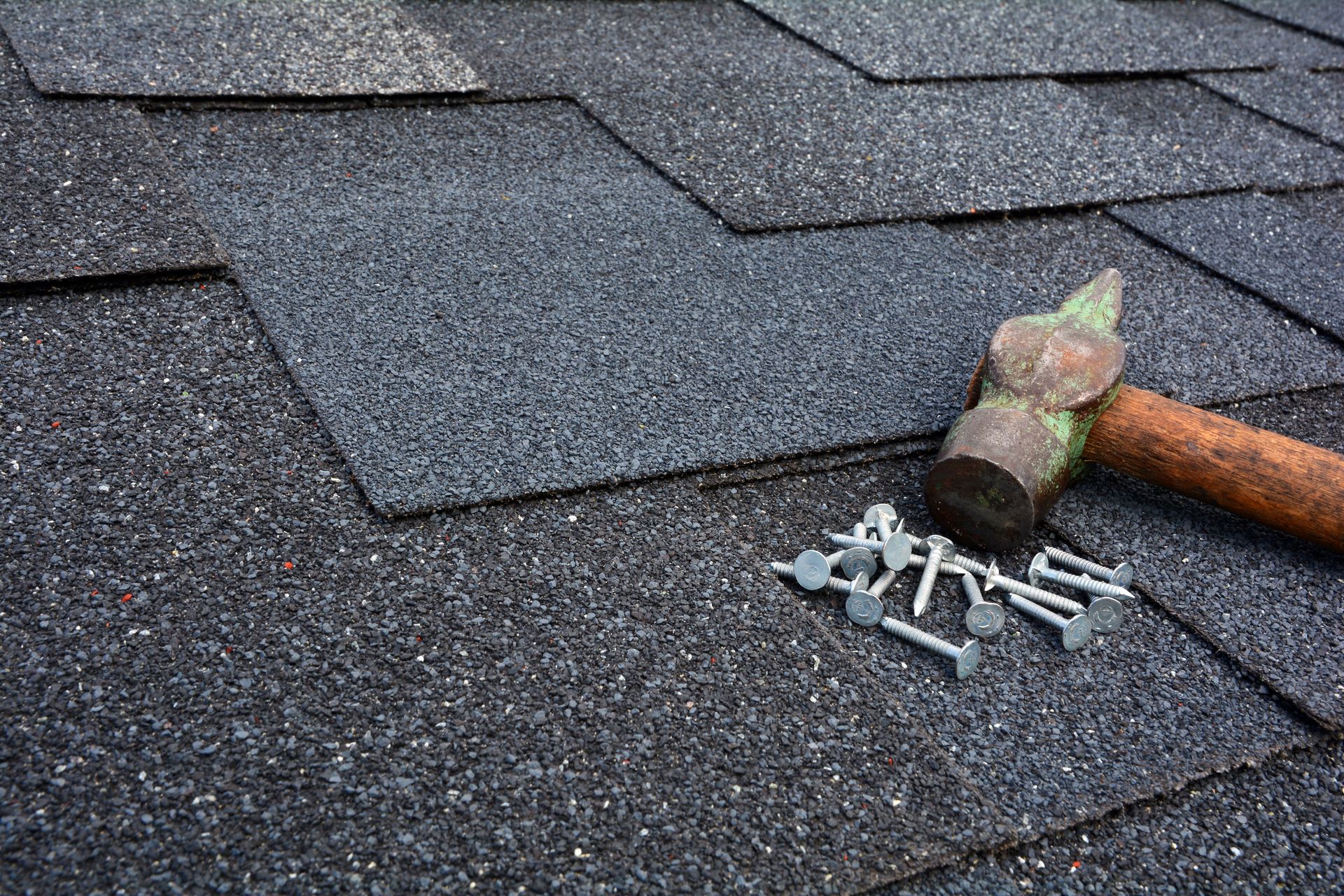
Damaged shingles are one of the first signs many homeowners notice when their roof is in trouble. Curling and buckling of shingles are clear indications that they have surpassed their functional lifespan. This can result from prolonged exposure to the elements, deteriorating the material over time. Regular inspection can help spot these issues before they lead to more significant damage. Replacing the affected shingles might be a temporary fix, but if these issues are widespread, consider a full roof replacement or consult with professionals about whether a local roof replacement is appropriate.
Another considerable red flag is the presence of missing or broken shingles. This kind of damage can stem from severe weather events, such as storms or heavy winds. If left unrepaired, it compromises the roof’s capacity to protect against water ingress. Furthermore, missing shingles contribute to poor energy efficiency within the home, impacting utility bills negatively. Keeping an eye on the roof’s condition following severe weather is crucial for maintaining its integrity.
Granule loss is an additional concern that should never be neglected. Shingle granules often accumulate in gutters or around the house, indicating thinning shingles. As these granules serve as a protective layer for the roof, their loss signifies vulnerability to the elements. Overlooking this damage means it might be time to move from patch repairs to a complete roof replacement. When weighing temporary fixes against a full replacement, consider both immediate and future financial impacts and whether a local roof replacement offers the best long-term value.
3. Water Damage and Leaks
Water damage and leaks are critical concerns any homeowner should address immediately. Indicators may include dark spots on the ceilings, peeling paint or wallpaper, and dampness in attic spaces. Once water penetrates, it can cause extensive damage to interior structures. Quick identification and repair of leaks can often save large amounts in the long run. Repeated issues, however, suggest the need for a complete roof reassessment and potential replacement.
Unchecked, leaks can severely compromise the structural integrity of your home. Over time, water can erode supports and lead to a dangerous weakening of crucial load-bearing components. This can have dire consequences, including the collapse of sections of the roof. Addressing this early not only protects the value of the investment but also ensures the safety of occupants. Consulting with professionals for regular evaluations can prevent lasting damage.
Mould and mildew are other major concerns associated with unchecked moisture infiltration. The presence of mould is not just damaging to the property but also poses serious health risks to inhabitants. It exacerbates respiratory issues and can lead to long-term health complications if unresolved. Ignoring water damage can lead to hefty remediation costs down the line. Acting promptly can prevent these problems, saving money and maintaining a healthier home environment.
4. Sagging Roof Deck
A sagging roof deck should be considered an emergency repair and evaluation situation. Typically, sagging occurs due to prolonged exposure to moisture and the inability of the roof structure to support additional weight. It can be attributed to aging shingles, poor roofing design, or insufficient attic ventilation. These conditions worsen over time, leading to a gradual but noticeable sway in the roofline. Immediate action is necessary upon noticing even slight sagging to avoid catastrophic failure.
The structural risks associated with a sagging roof are substantial. Not only does it signify that the roof's components are compromised, but it also exposes the home to further elemental penetration. Issues such as excess moisture trickling into the roof can severely affect structural beams and interior walls. Taking proactive measures by consulting professionals helps identify the structural health of your home. Implementing repairs or opting for a complete roof overhaul ensures continued safety.
Visible signs of a deteriorated roof deck include dips and bumps when viewed from a distance. Homeowners might recognize the problem upon entering attic spaces and discovering bulges or wood rot. It is critical to address sagging, not only through temporary supports but by understanding the underlying causes. Addressing the root causes often means a complete replacement rather than temporary patches. A professional assessment will guide you in selecting appropriate, comprehensive solutions.
5. Rising Energy Bills
Your roof plays a significant role in your home’s insulation process. It helps maintain a stable indoor environment by trapping heat or cool air, depending on the season. Damaged or old roofs often lose this capability, resulting in increased reliance on HVAC systems and subsequent energy consumption spikes. This is usually reflected in rising energy bills over time. Understanding this relationship can frame roof health within a larger context of home efficiency and cost management.
By analyzing energy bills over months and years, marked increases often correlate with roofing issues. When a damaged roof does not properly insulate, heating and cooling efforts become less effective, requiring more power and expenses. It is particularly useful to keep track of historical energy costs to identify aberrant spikes in usage. Renovating or replacing an inefficient roofing system can significantly cut energy expenses. Efficient energy usage not only saves money but also contributes to more sustainable home living and may prompt homeowners to consider whether a local roof replacement can improve energy efficiency.
This article has outlined the fundamental signs revealing the need for a total roof replacement. Understanding these indicators not only aids in timely decision-making but also ensures the safety and durability of your home. A roof is a vital element in maintaining the structural integrity and value of your property. Acting upon signs such as aging, visible damage, water issues, sagging, increased energy costs, and deteriorating aesthetics offers preventive action. It secures your home’s future and provides peace of mind. If you need a local roof replacement, make sure to contact Prime Roofing Colorado, LLC today!