
Claim Your Free Roofing Estimate Today
10 Essential Tips to Prolong Your Roof’s Lifespan in Colorado
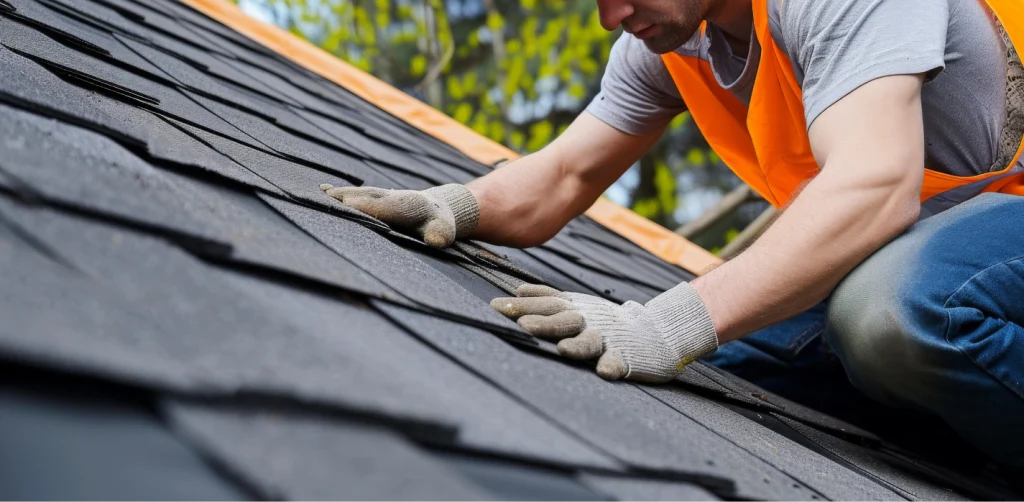
Schedule Biannual Professional Roof Inspections
Colorado’s extreme weather patterns place unique stress on roofing systems throughout the year. Temperature fluctuations of 40 degrees or more within a single day cause roofing materials to expand and contract repeatedly, creating microscopic cracks that worsen over time. Hailstorms arrive with little warning between April and September, leaving damage that may not be immediately visible from ground level but compromises the integrity of shingles, flashing, and seals.
Scheduling inspections in spring and fall allows you to identify and address minor issues before they escalate into costly repairs. Spring inspections catch winter damage from ice dams, snow accumulation, and freeze-thaw cycles, while fall inspections prepare your roof for the upcoming cold season by verifying that flashing is secure, seals are intact, and ventilation systems function properly. A trained inspector will examine areas homeowners typically miss, including valleys, penetrations around chimneys and skylights, and the condition of underlayment exposed at roof edges.
Neglecting regular inspections often results in discovering problems only after water has penetrated the decking and caused interior damage. By that point, repair costs can multiply tenfold compared to addressing the issue early. Professional roofing services include detailed documentation of your roof’s condition, helping you track wear patterns and plan for future maintenance or replacement strategically rather than reactively.
Clear Debris and Maintain Proper Drainage Systems
Pine needles, leaves, and airborne debris accumulate rapidly on Colorado roofs, particularly in foothill communities and neighborhoods with mature trees. When debris collects in valleys, around chimneys, or along roof edges, it traps moisture against roofing materials. In our climate, where afternoon thunderstorms can dump an inch of rain in thirty minutes, clogged drainage systems create standing water that accelerates deterioration of shingles and penetrates beneath underlayment layers.
Establishing a quarterly cleaning schedule removes organic material before it decomposes and forms a moisture-retaining layer. Pay special attention to gutters and downspouts, which must channel water away from the foundation. In Colorado Springs and surrounding areas, heavy spring runoff from melting snow can overwhelm gutters packed with winter debris, causing water to back up beneath the bottom course of shingles and damaging fascia boards. Installing gutter guards reduces maintenance frequency but does not eliminate the need for periodic inspection and cleaning.
Many homeowners underestimate the weight of saturated debris. A single valley filled with wet leaves and needles can hold gallons of water, placing stress on roof decking and creating conditions for mold growth within the attic space. Professional maintenance services systematically remove debris, verify that all drainage components function correctly, and identify early signs of damage that might otherwise go unnoticed until leaks develop inside your home.
Address Hail Damage Promptly with Thorough Assessments
Colorado ranks among the top states for hail activity, with the Front Range corridor experiencing severe hailstorms multiple times each season. Hail impacts create bruises in asphalt shingles that compromise the granule layer protecting underlying materials from UV radiation. Even when damage appears minor from ground level, impacts weaken the seal between shingle layers and create vulnerabilities that allow wind-driven rain to penetrate during future storms.
After any significant hail event, schedule a comprehensive inspection within two weeks. Hail damage assessment requires training to distinguish storm damage from normal wear, particularly with architectural shingles where patterns can be subtle. Inspectors examine not only visible shingle surfaces but also check flashing, ridge caps, and soft metals like vent pipes that may have suffered dents. Colorado’s intense sunshine accelerates the deterioration of compromised shingles, turning minor damage into leaks within months rather than years.
Insurance claims for hail damage typically have time limitations, making prompt assessment critical. Waiting too long can result in denial of coverage if adjusters cannot definitively link damage to a specific storm event. Documented roof inspections provide the evidence needed for successful claims while also identifying repairs that fall outside coverage but require attention. Many property owners discover that addressing hail damage through their insurance policy proves more economical than attempting piecemeal repairs that never fully restore roof integrity, particularly when underlayment or decking has sustained impact damage beneath the visible surface.
Ensure Adequate Attic Ventilation and Insulation
Colorado’s high altitude and intense solar radiation create significant temperature differentials between attic spaces and outdoor air. During summer, poorly ventilated attics can reach 160 degrees, cooking roofing materials from beneath and dramatically shortening their service life. In winter, inadequate ventilation allows warm interior air to reach the roof deck, melting snow that refreezes at the eaves and forms ice dams that force water beneath shingles and into wall cavities.
Proper attic ventilation requires balanced intake (typically soffit vents) and exhaust (ridge vents or gable vents) that create continuous airflow. The general standard calls for one square foot of ventilation per 150 square feet of attic space, though Colorado’s climate often benefits from exceeding this minimum. Equally important is maintaining adequate insulation with an R-value appropriate for our region (R-49 to R-60 for most applications), installed without compressing ventilation channels or blocking soffit intake areas.
Homeowners frequently discover ventilation problems only after noticing ice dams, excessive cooling costs, or premature shingle aging. Walking through your attic on a hot summer afternoon provides immediate feedback: if the space feels like an oven despite ventilation openings, airflow patterns need correction. Professional roofing contractors assess the entire ventilation system as part of comprehensive inspections, identifying blocked soffit vents, inadequate ridge ventilation, or insulation placement that interferes with airflow. Correcting ventilation issues often extends roof lifespan by five to ten years while simultaneously reducing energy costs and improving interior comfort throughout the year.
Trim Overhanging Tree Branches and Manage Vegetation
Trees provide valuable shade that moderates attic temperatures during Colorado’s intense summer months, but branches hanging within six feet of your roof create multiple hazards. Wind events, particularly the Chinook winds common along the Front Range, cause branches to scrape across shingles and abrade the protective granule layer. During winter storms, snow and ice accumulation add weight that can snap branches, sending them crashing through roofing materials and causing immediate structural damage.
Falling leaves and pine needles from overhanging branches concentrate in roof valleys and around penetrations, creating the moisture traps and drainage problems discussed earlier. Even without direct contact, trees providing constant shade prevent morning dew and precipitation from evaporating quickly, keeping roofing materials damp for extended periods. This sustained moisture exposure promotes algae and moss growth, particularly on north-facing slopes where sunlight is limited. Once established, these organisms retain moisture and accelerate shingle deterioration.
Schedule professional tree trimming in late fall or early spring, removing branches that overhang the roof and thinning canopy areas that block sunlight from reaching roofing surfaces. Property owners in heavily wooded areas should consider this an annual maintenance task rather than a one-time project. While trimming trees falls outside traditional roofing work, establishing a relationship with a trusted roofing company provides access to recommendations for reputable tree services and ensures that any damage discovered during trimming receives prompt attention. Regular vegetation management, combined with routine debris removal, significantly reduces organic load on your roof and minimizes conditions that foster premature aging of roofing materials.
Frequently Asked Questions
How often should I have my roof inspected in Colorado?
We recommend scheduling professional roof inspections twice per year in Colorado, ideally in spring and fall. Our climate’s extreme temperature swings, hailstorms, and heavy snow create conditions that accelerate wear far faster than in milder regions. Regular inspections catch minor issues before they become expensive emergencies, and we document everything so you can track your roof’s condition over time. Contact us to schedule your free roof condition assessment today.
Are you licensed and insured to work on roofs in Colorado Springs?
Yes, we are fully licensed to operate in Colorado and carry comprehensive general liability and workers’ compensation insurance. This protects you completely if anything unexpected happens on your property during an inspection or maintenance visit. We’re happy to provide proof of credentials and insurance certificates before any work begins, so you have total confidence in our team.
How much does a roof inspection cost?
We offer free roof condition assessments for residential and commercial properties throughout Colorado Springs and surrounding areas. During the inspection, we examine every critical component, document damage or wear, and provide a detailed report with photos so you understand exactly what your roof needs. There are no hidden fees, and you’ll receive a transparent estimate for any recommended repairs or maintenance work. Schedule your free inspection by calling us at (719) 599-4020.
What happens if you find damage during my roof inspection?
If we discover damage, we’ll walk you through exactly what we found, explain how it affects your roof’s performance, and provide clear repair options with upfront pricing. Many homeowners worry that an inspection will lead to a hard sell, but our goal is to give you the information you need to make the best decision for your property and budget. We help with insurance claims for hail damage and storm-related issues, and we never pressure you into unnecessary work. You stay in control every step of the way.
How long does a typical roof inspection take?
Most residential roof inspections take between 45 minutes and 90 minutes, depending on the size and complexity of your roof. We check shingles, flashing, gutters, ventilation, and all penetration points like chimneys and skylights to ensure nothing is missed. You don’t need to be home during the inspection, though we’re happy to walk you through our findings afterward if you’d like. We respect your time and your property, and we’ll leave everything exactly as we found it.
